
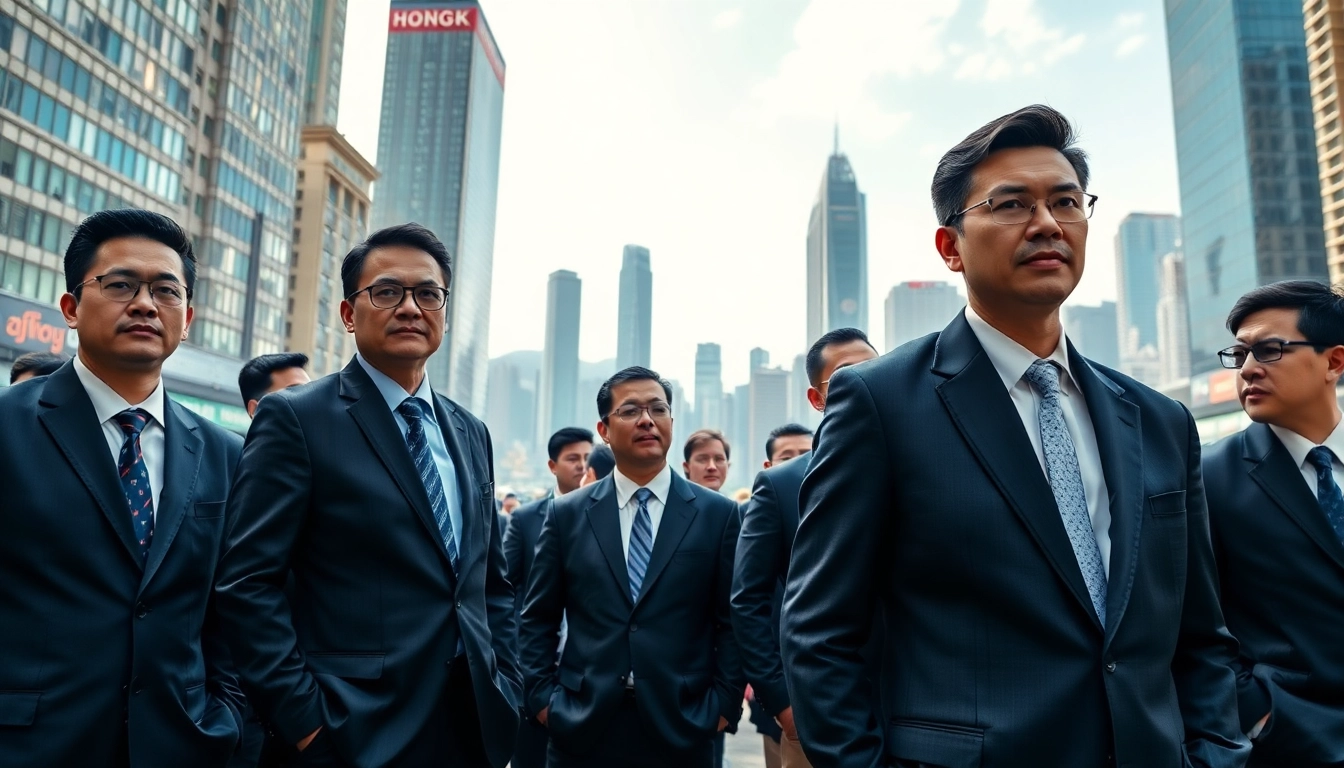
Essential Insights on Close Protection Hong Kong: Tailored Security Solutions
Understanding Close Protection Hong Kong
In an increasingly complex world, ensuring one’s safety has become a paramount concern, particularly in bustling urban environments like Hong Kong. Close protection Hong Kong offers specialized services that cater to the unique security needs of individuals and organizations. This article delves into the essentials of close protection, emphasizing its significance, key features, and considerations for those seeking security services in Hong Kong.
What is Close Protection?
Close protection, also known as personal security or executive protection, is a specialized service designed to safeguard individuals from potential threats. This service involves trained security personnel, tactful strategies, and advanced technology to protect clientele from risks such as harassment, violence, or more serious threats. Its scope extends beyond mere physical presence, encompassing risk assessments, travel security, and even threat intelligence to ensure clients can go about their lives with confidence.
The Importance of Security in Hong Kong
Hong Kong, a vibrant financial hub, attracts numerous high-profile individuals, business moguls, celebrities, and dignitaries. However, with its cosmopolitan atmosphere come various potential threats—ranging from organized crime to personal safety concerns arising from public engagements. The necessity for close protection services in this locale cannot be understated. Not only does it enhance safety, but it also provides peace of mind, allowing individuals to focus on their professional or personal affairs without constant worry about their safety.
Benefits of Close Protection Services
Employing close protection services provides several tangible benefits. First and foremost is the element of enhanced safety; trained professionals can anticipate and mitigate threats before they manifest. Additionally, close protection officers offer a sense of security that enables clients to engage freely in various activities and pursuits. These services often include pre-emptive measures, such as scouting locations for vulnerabilities and providing real-time intelligence on any potential risks, making them a comprehensive solution for personal security.
Key Features of Close Protection Hong Kong
Highly Trained Personnel
One of the standout features of close protection services in Hong Kong is the caliber of professionals involved. Close protection officers undergo extensive training that covers a range of skills, including defensive driving, first aid, and negotiation techniques. This training enables them to respond effectively to any threat that may arise, ensuring the safety of those they protect. The dedication to continuous training is critical as it equips officers to adapt to new threats and challenges in an ever-changing environment.
Risk Assessment Strategies
Effective close protection begins with a robust risk assessment. This process involves identifying potential threats specific to the client’s situation, including geographical risks, social dynamics, and specific personal threats. By assessing these factors, close protection services in Hong Kong can devise tailored strategies that address unique vulnerabilities. Regularly revisiting and updating these assessments helps maintain an adaptable security posture that evolves with the client’s circumstances.
Advanced Security Technology
In the realm of close protection, technology plays an indispensable role. Modern-day close protection services leverage a plethora of advanced technologies, from surveillance systems to secure communication devices. Integration of real-time GPS tracking and mobile communication ensures that security personnel remain one step ahead, monitoring situations and coordinating responses instantaneously. This technological infrastructure enhances the efficacy of close protection services and reinforces the safety net around clients.
Choosing a Close Protection Service
Criteria for Selection
Selecting the right close protection service is crucial for ensuring optimal security. Potential clients should evaluate the experience and qualifications of the personnel, the company’s reputation, and the range of services offered. A thorough interview process, where clients can gauge the professionalism and responsiveness of the service, will help in making an informed choice. Also, successful close protection requires a match between the officer’s style and the client’s personal preferences.
Costs and Budget Considerations
Understanding the costs associated with close protection services is an essential aspect of the selection process. Pricing can vary significantly based on factors such as the level of threat, the number of personnel required, and the duration of service. Clients should explore various pricing structures, including hourly rates, day rates, or comprehensive packages. While budget considerations are vital, it is crucial to prioritize quality and capability over cost alone for effective security.
Reputation and Reviews
In the close protection industry, reputation speaks volumes. Potential clients should seek out reviews, testimonials, and references to gauge a service’s reliability and effectiveness. Online platforms and industry publications may provide insights into the performance of close protection services. Engaging with past clients can offer a clearer picture of what to expect, ensuring that individuals or organizations make well-informed decisions regarding their security needs.
Common Challenges in Close Protection
Adapting to Changing Situations
One of the primary challenges faced in close protection is the need for adaptability. Situations can evolve rapidly, necessitating quick responses and flexibility from security personnel. Close protection services must be trained to recognize and react to unforeseen threats, tailoring their approach as circumstances change. Regular drills, scenario planning, and a commitment to continuous training help foster a culture of adaptability, enhancing the overall effectiveness of the service.
Understanding Cultural Dynamics
Operating in a diverse environment like Hong Kong requires a nuanced understanding of cultural dynamics. Close protection officers must be culturally aware and skilled in interpersonal communication to navigate various social situations effectively. Misunderstanding cultural contexts can lead to both personal and reputational risks. Therefore, investing time in training officers to appreciate and respect local customs contributes to a more effective protection strategy and fosters positive relationships.
Legal Considerations in Hong Kong
Legal frameworks surrounding security services in Hong Kong can be complex, with specific regulations governing the practice of close protection. Understanding the legalities—such as the limitations on the use of force, licensing requirements for security personnel, and data privacy laws—is crucial for maintaining compliance and ensuring that operations remain within legal boundaries. Engaging legal experts to navigate these regulations can prevent potential liabilities and enhance the robustness of the close protection service.
FAQs about Close Protection Hong Kong
What qualifications do close protection officers need?
Close protection officers typically require certifications in personal security, first aid, and self-defense. Many also possess experience in military or law enforcement, which equips them with skills relevant to security challenges.
How much does close protection service typically cost?
Costs vary based on client needs, the level of threat, and service duration. Hourly rates can range significantly, so understanding specific offerings and comparing quotes is essential for informed budgeting.
Are close protection services only for high-profile individuals?
No, close protection services cater to anyone facing potential threats, including executives, families, and individuals in high-risk situations. Security needs vary, and services can be tailored accordingly.
What is the typical process for hiring close protection?
The hiring process starts with an assessment of security needs, followed by consultations to understand specific risks. Clients often interview personnel before engagement to ensure the right fit.
How can I assess the effectiveness of close protection services?
Effectiveness can be evaluated through monitoring incident responses, obtaining client feedback, and reviewing how well the service adapts to changing situations. Regular debriefs also contribute to ongoing assessments.