
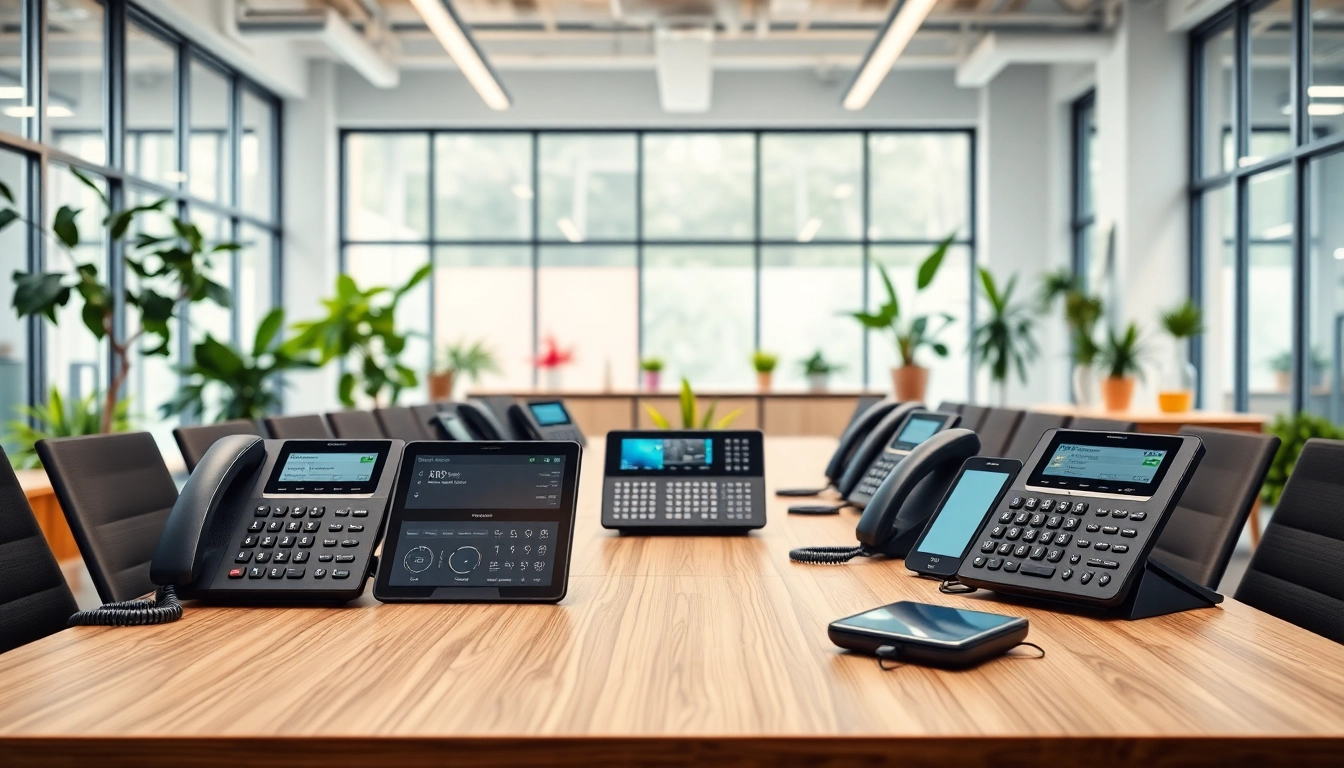
Choosing the Right Office Phone Systems for Your Business
Understanding Office Phone Systems
In today’s fast-paced business environment, effective communication is crucial for success. One of the key components that facilitate this communication is the office phone systems. These systems are essential tools for businesses of all sizes, providing various functionalities that enhance operations and improve collaboration. As technology evolves, so do the phone systems used by organizations, which now encompass a range of solutions tailored to meet different needs.
What Are Office Phone Systems?
Office phone systems refer to a collection of telecommunication devices and technologies that enable communication within a business environment. These systems allow employees to make and receive calls, manage voicemail, conduct conference calls, and even integrate with other digital communication tools like email and chat applications. Their evolution has been marked by the shift from traditional landline systems to advanced VoIP (Voice over Internet Protocol) solutions, which provide greater flexibility and scalability.
Key Features of Modern Office Phone Systems
Modern office phone systems come equipped with a variety of features designed to facilitate seamless communication. Key features include:
- Voicemail to Email: Forwarding voicemail messages as email attachments for easier access.
- Call Forwarding: Redirecting calls to different numbers as needed to ensure no call goes unanswered.
- Video Conferencing: Enabling face-to-face meetings over the internet, enhancing collaboration among remote teams.
- Call Analytics: Providing detailed reporting on call data, which can help in making informed business decisions.
- Integration Capabilities: Ability to link with CRM and other software systems to streamline workflows.
Benefits of Upgrading Your Office Phone Systems
Upgrading to a modern office phone system offers numerous benefits that can significantly improve business operations. These benefits include:
- Enhanced Flexibility: Modern systems allow employees to work from anywhere, connecting via mobile apps or desktop interfaces.
- Improved Collaboration: Features like instant messaging and video conferencing offer diverse ways for team members to connect.
- Cost Efficiency: VoIP solutions often have lower operational costs compared to traditional phone lines, especially for long-distance calls.
- Scalability: Easily add or remove lines and features as the business grows or changes.
- Future-Proofing: Investing in current technology ensures that a business remains competitive.
Types of Office Phone Systems
When selecting an office phone system, understanding the different types available is essential. Each type comes with unique features and advantages suited to various business needs.
VoIP Office Phone Systems
VoIP office phone systems utilize internet protocols to transmit voice calls rather than traditional phone lines. This technology offers numerous advantages:
- Cost-Effective: Lower costs for long-distance and international calls.
- Advanced Features: Includes voicemail-to-email, call forwarding, and more that are accessible even on mobile devices.
- Scalability: Easily adjust your phone system as business needs change.
Traditional Landline Office Phone Systems
Despite advances in technology, traditional landline systems still have their place, particularly in businesses requiring a reliable connection without the need for internet access. Key characteristics include:
- Reliability: Offers consistent quality of service, especially in areas with limited internet connectivity.
- Simple Setup: Installation procedures may be straightforward compared to internet-based systems.
Virtual Office Phone Systems
Virtual office phone systems serve businesses looking to maintain a professional image without the need for a physical office. These might include features like:
- Call Routing: Directing incoming calls to different employees based on availability.
- Dedicated Phone Numbers: Assigning phone numbers that create a professional presence without physical infrastructure.
Choosing the Right Office Phone Systems
Selecting the right office phone system for your business involves careful consideration of several factors, ensuring that it aligns with your operational needs and budget.
Assessing Your Business Needs
Begin by evaluating your specific communication requirements. Consider the following:
- How many users will require access to the system?
- What features are most critical for your business operations?
- Will employees work from the office, home, or in hybrid settings?
Cost Considerations for Office Phone Systems
Understanding the total costs associated with an office phone system is crucial. Costs can include hardware, software subscriptions, installation, and ongoing maintenance. Create a budget that encompasses these aspects to avoid financial surprises.
Scalability and Future-Proofing
Your chosen system should not only meet your current needs but also facilitate growth in the future. Look for systems that offer easy scalability and the capacity to add new features without significant investment.
Implementation and Integration
After selecting the right office phone system, the next step involves implementation and integration into existing workflows, which is essential for a smooth transition.
Setting Up Your Office Phone Systems
Setting up the new system typically includes installing hardware and software, configuring settings, and assigning phone numbers to users. Planning the installation process carefully can minimize disruptions to ongoing business operations.
Training Staff on New Office Phone Systems
Employee training is crucial for achieving a successful transition. Providing thorough training on system features, operations, and troubleshooting can empower employees and enhance overall satisfaction.
Integrating with Existing Technology
Ensure the new office phone system can seamlessly integrate with your existing technology and applications. Consider compatibility with CRM systems, project management tools, and other communication platforms to improve workflow efficiency.
Maintaining Your Office Phone Systems
Maintaining an office phone system requires continuous oversight to ensure optimal performance and address any potential issues that may arise.
Regular Upkeep and Support
Regular maintenance is key to extending the life of your phone system. Ensure you have support mechanisms in place, whether through a dedicated IT team or external service providers, to troubleshoot and resolve issues quickly.
Common Issues and Troubleshooting
Identify common issues that can occur, such as call drops, connectivity problems, or system crashes. Providing employees with a troubleshooting guide can empower them to resolve minor issues independently.
Evaluating Performance Metrics
Monitor performance metrics regularly to assess the effectiveness of your phone system. Key metrics may include call volume, call duration, and user satisfaction. This data helps inform future upgrades and improvements to the system.
Frequently Asked Questions
What is the best office phone system for small businesses?
The best office phone system varies by business needs. Generally, VoIP systems offer flexibility and cost efficiency suitable for small businesses.
How much should I budget for an office phone system?
Your budget should consider hardware costs, subscription fees, installation, and potential maintenance costs, which can vary widely based on system type.
Can I use my existing phones with a new system?
It depends on the compatibility of your existing phones with the new system. VoIP systems often allow for use of compatible hardware. Check with your provider for specific guidelines.
What features should I look for in an office phone system?
Look for features like call forwarding, voicemail-to-email, video conferencing, and integration with existing tools to ensure the system meets your operational needs.
Is training necessary when installing a new phone system?
Yes, training is essential to ensure users can effectively operate the new system and utilize its features, thereby enhancing productivity.
Contact Information
Customer Service Email: [email protected]
Mobile Sales Email: [email protected]
Support Email: [email protected]
Call us: 0333 015 2615
Head Office: Fareham Innovation Centre, Merlin House, 4 Meteor Way, Fareham, Lee-on-the-Solent, PO13 9FU.
London Address: 124 City Road, London, EC1V 2NX
Manchester Address: Bartle House, Oxford Court, Manchester, M2 3WQ