
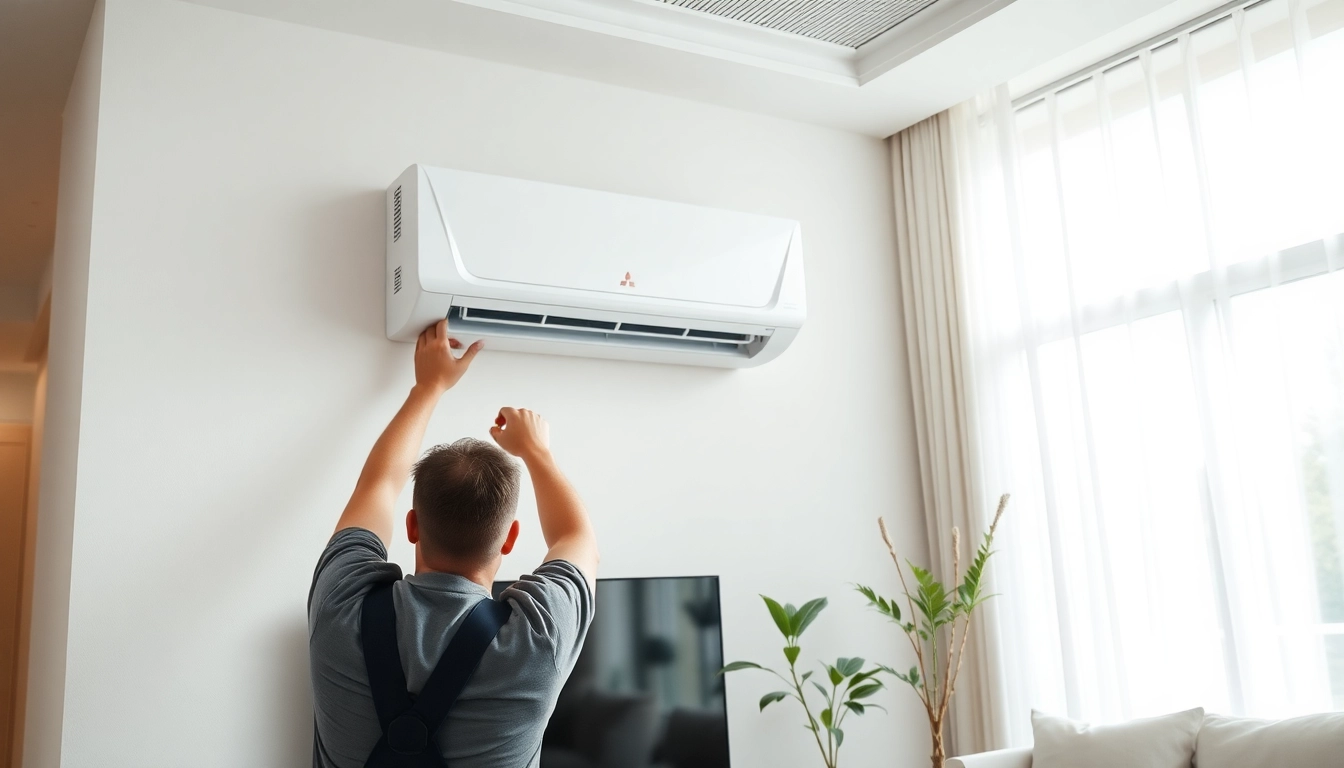
Why Choose Mitsubishi Mini Split AC Systems for Your Home Comfort
Understanding Mitsubishi Mini Split AC Technology
What are Mini Split AC Systems?
Mini split AC systems, also known as ductless systems, are versatile air conditioning units that consist of an outdoor compressor and one or more indoor air handling units. Unlike traditional centralized systems that require ducts, mini splits deliver targeted cooling or heating to specific areas within a building. This system is particularly valuable for homes with no pre-existing ductwork or for those seeking to enhance energy efficiency while providing localized comfort. An essential feature of these systems is their ability to maintain consistent temperatures and humidity levels, catering to individual preferences in room settings.
Benefits of Mitsubishi Mini Split AC Systems
The mitsubishi mini split ac systems are renowned for their numerous advantages. Here are some key benefits:
- Energy Efficiency: Mitsubishi mini splits boast high SEER ratings, promoting significant energy savings, reducing utility bills, and minimizing environmental impact.
- Flexible Installation: With no need for ductwork, installation is less invasive and can be done in various configurations, accommodating multiple living spaces.
- Individual Control: Each indoor unit can be controlled separately, allowing for personalized comfort depending on room usage and preference.
- Quiet Operation: These systems operate at notably low noise levels, often quieter than a traditional air conditioning system, ensuring peaceful indoor environments.
How Mini Splits Compare to Traditional Systems
One of the significant comparisons between mini split systems and traditional air conditioning systems lies in their efficiency and installation process. Traditional systems often waste energy due to the cooling or heating of areas that are not in use, while mini splits focus on specific zones, ensuring more efficient energy use. Moreover, mini splits do not require ductwork installation, allowing for easier retrofitting in older homes.
Cost considerations are also important; although the upfront investment may be higher for a Mitsubishi mini split AC, the long-term energy savings and low maintenance costs often outweigh initial expenses, making them a wise choice for the long haul.
Installation Requirements for Mitsubishi Mini Split AC
Space and Location Considerations
When installing a Mitsubishi mini split AC system, careful consideration regarding space and location is crucial. Indoor units should be installed in locations that promote optimal airflow and comfort. Factors such as wall height, proximity to windows, and the overall aesthetics of your living space contribute to effective installation. Moreover, outdoor units must be positioned in shaded areas to maximize efficiency and ensure longevity.
Choosing the Right Size Unit
Proper sizing is critical for optimizing performance. A unit that is too small will struggle to cool the space efficiently, while one that is too large can cycle on and off frequently, leading to energy waste and reduced lifespan. It is recommended to conduct a load calculation, considering factors such as the size of the area, insulation quality, and local climate data, to determine the appropriate size of the Mitsubishi mini split AC that will meet your needs effectively.
Hiring a Professional vs. DIY Installation
While some homeowners may consider DIY installation to save costs, hiring a professional is recommended for Mitsubishi mini split installations. Proper installation involves complex electrical connections and refrigerant handling, which can be challenging for those without significant HVAC knowledge. Professionals guarantee that the system is set up according to local codes, providing peace of mind in terms of safety and performance.
Maintenance Tips for Mitsubishi Mini Split AC Systems
Regular Cleaning and Filter Replacement
Routine maintenance is essential to ensure the longevity and efficiency of your Mitsubishi mini split AC. This includes regular cleaning of the filters, which should be checked monthly and replaced or cleaned as needed. Dirty filters can obstruct airflow and reduce efficiency, leading to higher energy bills. Additionally, cleaning the outdoor unit by removing debris such as leaves and dirt can prevent overheating and maintain optimal performance.
Seasonal Maintenance Checklist
Implementing a seasonal maintenance checklist aids in keeping your system running efficiently. This checklist should include:
- Inspecting and cleaning air filters.
- Checking and cleaning the condenser coils.
- Ensuring all drainage channels are clear.
- Testing for refrigerant leaks and ensuring adequate levels.
Regular seasonal maintenance helps catch potential issues early, saving on costly repairs and extending the lifespan of your unit.
Signs Your System Needs Servicing
It’s important to be attentive to signs that indicate your Mitsubishi mini split AC may require servicing. Common symptoms include inconsistent cooling across rooms, unusual noises such as hissing or buzzing, and a noticeable increase in energy bills. If any of these signs manifest, it’s advisable to consult a professional technician for an evaluation to prevent further issues and maintain efficient operation.
Energy Efficiency and Cost Savings
Understanding SEER Ratings
The Seasonal Energy Efficiency Ratio (SEER) is a crucial metric that indicates the efficiency of an air conditioning unit. The higher the SEER rating, the more efficient the system is, meaning it can provide more cooling for less energy consumption. Mitsubishi mini split AC systems typically have SEER ratings above 20, which places them among the most energy-efficient options available. Understanding these ratings aids consumers in making informed choices about energy savings and long-term costs.
Cost-Effectiveness of Mitsubishi Mini Split AC
While the initial investment for a Mitsubishi mini split AC system is higher than traditional cooling systems, the long-term cost-effectiveness is worth considering. Thanks to their energy efficiency and targeted approach to climate control, these systems can significantly lower monthly energy bills. Additionally, lower maintenance costs, coupled with the durability of the units, provide homeowners with considerable savings over the lifespan of the system.
Long-Term Energy Savings and Environmental Impact
Adopting Mitsubishi mini split AC systems not only yields considerable energy savings for homeowners but also positively impacts the environment. By reducing energy consumption, these systems directly contribute to lower carbon emissions and promote sustainable living. With the ongoing focus on environmental responsibility, choosing a highly efficient cooling system enhances overall ecological health, making Mitsubishi mini splits a superior choice for conscious consumers.
Frequently Asked Questions
What is the lifespan of a mitsubishi mini split ac?
A well-maintained mitsubishi mini split ac can last between 15 to 20 years, depending on usage and maintenance.
Can I install a mitsubishi mini split ac myself?
While DIY is possible, professional installation is recommended for optimal performance and efficiency.
How loud are Mitsubishi mini split ac systems?
Mitsubishi mini split ac systems operate quietly, usually between 19 to 47 decibels, making them ideal for residential areas.
Do I need to hire an electrician for installation?
Yes, a qualified electrician is recommended to ensure all electrical connections comply with safety standards.
What temperature range can Mitsubishi mini splits handle?
Mitsubishi mini split ac systems perform effectively in outdoor temperatures as low as -5°F and as high as 115°F.