
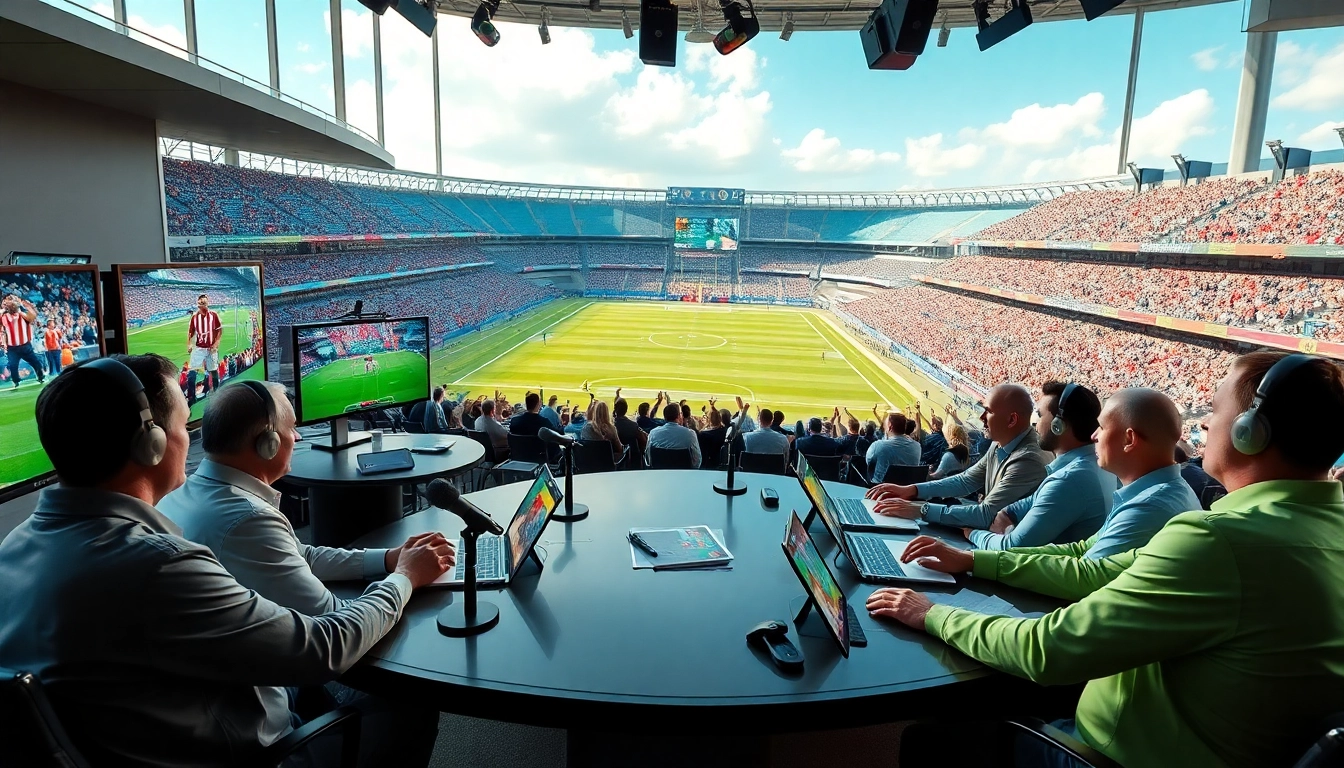
Understanding the Landscape of Sports Broadcasting
Definition and Importance of Sports Broadcasting
Sports Broadcasting refers to the dissemination of sports-related content via various media channels, including television, radio, and online platforms. It plays a critical role in shaping the sports industry by delivering real-time updates, engaging commentary, and curated highlights to fans around the globe. By fostering connectivity between fans and their favorite sports, Sports Broadcasting enhances the viewing experience and elevates the sport's overall marketing and monetization potential.
Historical Evolution of Sports Broadcasting
The origins of sports broadcasting can be traced back to the early 20th century with radio broadcasts of live sporting events. As technology advanced, the introduction of television revolutionized the industry, allowing fans to watch games from their homes. The televising of the 1936 Berlin Olympics marked a significant milestone in sports broadcasting history, bringing global attention to the medium. Over the decades, innovations like color broadcasting, satellite transmission, and digital streaming have continuously transformed how sports are consumed.
Key Players in the Sports Broadcasting Industry
The landscape of sports broadcasting comprises various stakeholders, including network broadcasters, cable channels, streaming services, and social media platforms. Major broadcasters often hold exclusive rights to specific leagues or events, creating a competitive environment. Additionally, emerging platforms like ESPN+, Amazon Prime Video, and social media channels have started to dominate the space, catering to diverse viewing preferences and expanding accessibility.
Equipment and Technology in Sports Broadcasting
Essential Broadcasting Equipment for Professionals
Successful sports broadcasting relies heavily on cutting-edge equipment designed to capture high-quality audio and video. Key components include cameras (such as multi-camera setups for multiple angles), microphones, video switchers, and streaming equipment. Additionally, graphics generation software is crucial for creating dynamic overlays and enhancing viewer engagement. A robust production truck equipped with satellite communication ensures seamless broadcasting, ensuring content reaches audiences instantaneously.
Emerging Technologies in Sports Broadcasting
Innovation in technology continues to drive the evolution of sports broadcasting. High-definition and 4K cameras provide stunning visuals, while drones offer unique aerial perspectives during live events. Advanced analytics tools allow broadcasters to enhance commentary and provide in-depth insights, enriching viewers' gaming understanding. Artificial intelligence is also making strides, with automatic highlighting tools designed to capture exciting moments as they happen.
Role of Streaming Services in the Future of Broadcasting
Streaming services have emerged as pivotal players in the sports broadcasting landscape. Platforms like Hulu Live and YouTube TV provide consumers with flexible viewing options, allowing fans to watch games on demand. This shift signifies a change in viewership habits, with younger generations increasingly favoring streaming over traditional cable subscriptions. The future of sports broadcasting will likely revolve around these platforms, offering enhanced personalization and interactive features for an enriched user experience.
Content Creation Strategies for Sports Broadcasting
Building Engaging Sports Broadcasts
Creating compelling sports broadcasts involves a carefully curated mix of real-time analysis, entertaining storytelling, and audience interaction. Broadcasters must maintain a dynamic pace while offering insightful commentary that engages viewers. Techniques such as using expert guest commentators and addressing trending topics can enhance depth and viewer interest, ensuring broadcasts remain relevant and captivating.
Storytelling Techniques in Sports Media
Storytelling is at the heart of effective sports broadcasting. Engaging narratives about teams, players, or critical moments can resonate with audiences, creating an emotional connection. Utilizing techniques such as human interest stories, historical context, and player backgrounds enables broadcasters to draw viewers in beyond the mere statistics of the game, fostering a deeper appreciation for the sport.
Using Social Media to Enhance Audience Engagement
Social media has become an integral tool for sports broadcasters to connect with audiences. Platforms like Twitter and Instagram allow real-time interaction, offering fans the chance to voice their opinions, share highlights, or ask questions during live events. Engaging on these platforms can drive traffic back to broadcasts and create a community of fans, ultimately increasing loyalty and viewership.
Legal and Ethical Considerations in Sports Broadcasting
Understanding Copyright and Licensing in Broadcasting
Legal complexities in sports broadcasting primarily revolve around copyright and licensing. Broadcasters must secure rights to air games, which often involves negotiations with leagues and teams. Failure to do so can result in legal ramifications. A clear understanding of broadcast rights, including territorial restrictions and duration, is essential for compliance and smooth operation in the sports broadcasting domain.
Ethical Reporting in Sports Journalism
Ethical reporting is fundamental to maintaining integrity within sports broadcasting. Journalists must uphold standards of accuracy, fairness, and accountability, ensuring that all stories are presented truthfully. This includes providing balanced coverage and avoiding conflicts of interest, such as relationships with players or teams. Fostering transparency builds credibility and trust with audiences.
Challenges of Live Sports Broadcasting
Live sports broadcasting presents unique challenges, including technical failures, unexpected interruptions, and time constraints. Broadcasters must be prepared to adapt swiftly to maintain a seamless experience for viewers. Investing in robust backup systems, training teams for quick decision-making, and establishing contingency plans can mitigate these risks and ensure high-quality broadcasts.
Future Trends and Challenges in Sports Broadcasting
Impact of Virtual Reality and Augmented Reality on Broadcasting
Virtual Reality (VR) and Augmented Reality (AR) are poised to redefine sports broadcasting by immersing viewers in the action like never before. These technologies allow fans to experience games from different perspectives or engage with digital elements superimposed onto live footage. As hardware and software continue to evolve, it is essential for broadcasters to integrate these technologies to enhance viewer engagement and create unforgettable experiences.
Adapting to Viewer Preferences and Digital Innovations
As consumer preferences shift toward more personalized and on-demand content, sports broadcasters must adapt. This includes offering multiple viewing angles, interactive features, and tailored content for different demographics. Analyzing viewer data will help broadcasters stay ahead of trends, ensuring they meet the audience's evolving demands and maintain relevance in a saturated digital landscape.
Measuring Success in Sports Broadcasting
Success in sports broadcasting can be measured through various metrics, including viewer ratings, audience engagement levels, and social media interaction. Understanding these KPIs can provide valuable insights into what resonates with audiences. Utilizing modern analytics tools helps broadcasters continuously refine their strategies, tailor content, and ultimately enhance viewer satisfaction and loyalty.
FAQs About Sports Broadcasting
What is Sports Broadcasting?
Sports Broadcasting is the transmission of live or recorded sports events through various media platforms, including television, radio, and the internet.
How has Sports Broadcasting evolved?
It has evolved from simple radio play-by-plays to sophisticated multi-platform broadcasts featuring advanced technology and interactive content, appealing to global audiences.
What equipment is vital for Sports Broadcasting?
Essential equipment includes high-quality cameras, microphones, video switchers, and streaming tools to ensure dynamic, professional-quality broadcasts.
Why is social media important in Sports Broadcasting?
Social media enhances audience engagement by facilitating real-time interaction, sharing highlights, and fostering fan communities around sports content.
How do legal issues affect Sports Broadcasting?
Broadcast rights, copyright laws, and licensing agreements are crucial; breaches can lead to legal disputes or fines, impacting the integrity of the broadcasting company.