
Strategies to Elevate Your Sports Broadcasting Game
Understanding the Landscape of Sports Broadcasting
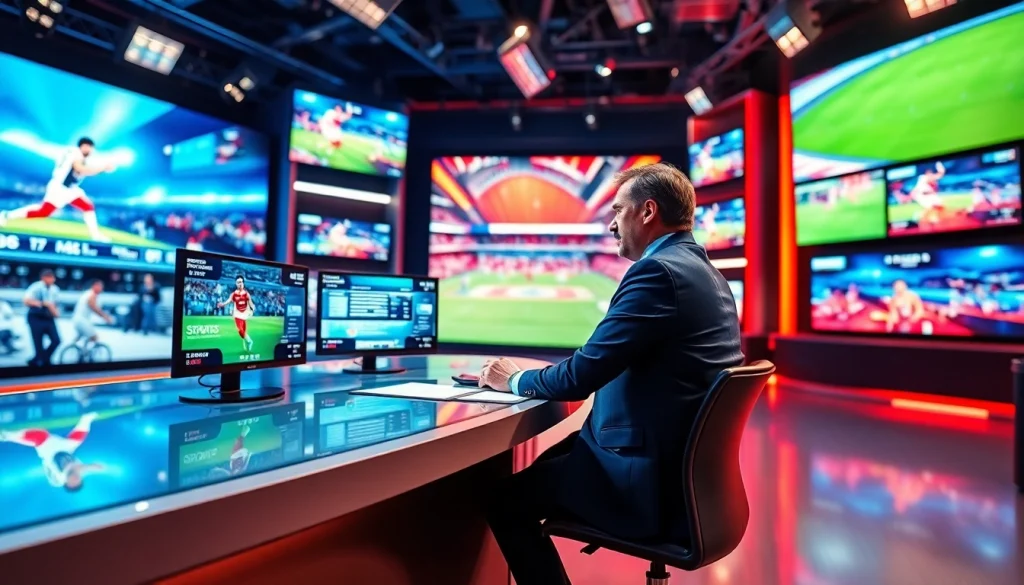
The world of Sports Broadcasting has evolved dramatically in recent years, shaped by technological advancements, changing viewer preferences, and emerging platforms. This transformation has made it imperative for broadcasters to adapt swiftly to maintain their relevance and effectiveness in delivering sports content to audiences worldwide.
Current Trends in Sports Broadcasting
As technology continues to advance, several trends are shaping the sports broadcasting landscape. Firstly, the rise of personalized viewing experiences allows fans to tailor their content consumption—choosing specific camera angles, replays, or highlights that resonate with their preferences. This customization is driven by data analytics, empowering broadcasters to curate content that aligns with individual viewer interests.
Another notable trend is the integration of social media into live broadcasts, engaging audiences in real time with interactive features such as polls, live chats, and social media feeds. This creates a multi-dimensional viewing experience, fostering a stronger connection between broadcasters, athletes, and fans.
Additionally, the increasing numbers of younger viewers gravitating toward streaming services rather than traditional television require broadcasters to rethink content delivery strategies. This demographic shift emphasizes the importance of digital platforms in sports broadcasting, encouraging partnerships with streaming services to reach broader audiences.
Role of Technology in Modern Sports Broadcasting
Technology plays a pivotal role in transforming how sports content is produced, delivered, and consumed. High-definition and 4K broadcasts have improved the visual quality of events, enhancing the viewer experience. Furthermore, virtual and augmented reality technologies are reshaping viewer engagement with immersive experiences that allow fans to feel as if they are part of the action.
Real-time analytics are also revolutionizing sports broadcasting. Broadcasters utilize data to provide deeper insights into player performances, team strategies, and game statistics, enriching the narrative of the broadcast. Tools like augmented graphics and player tracking systems further enhance storytelling, making broadcasts more informative and enjoyable.
Impact of Streaming Services on Sports Broadcasting
The emergence of streaming services has fundamentally altered the sports broadcasting ecosystem. Viewers now have access to a plethora of content across various platforms, leading to increased competition among traditional networks and digital platforms. Streaming services benefit from minimal latency and the flexibility of on-demand viewing, appealing especially to younger audiences.
This shift presents challenges and opportunities for traditional broadcasters, who must innovate to retain viewership. Many are responding by developing their own streaming platforms or collaborating with existing services to distribute content effectively. The ability to analyze viewer data enables both types of platforms to always remain relevant and cater to audience preferences dynamically.
Key Components of Effective Sports Broadcasting
Essential Equipment for Sports Broadcasting
Successful sports broadcasting hinges upon utilizing the right equipment. High-definition cameras capture crisp visuals, while specialized equipment captures detailed descriptions of in-game actions. Additionally, drones equipped with cameras offer unique aerial perspectives that can elevate storytelling during live events.
Audio quality is paramount; employing high-grade microphones ensures clear and immersive sound for viewers. Furthermore, broadcast trucks must be equipped with cutting-edge technology, including switching systems, graphics generators, and real-time analytics software to ensure smooth production and seamless broadcasting.
Preparing Engaging Content for Broadcast
Content is the cornerstone of effective sports broadcasting. Preparing engaging material requires meticulous planning and strategic storytelling. Broadcasters should focus on narrative development, building excitement around key matchups or player stories. Engaging content isn’t just about what happens on the field; it involves exploring athletes’ backgrounds, and their challenges and victories off the field, thus humanizing the sports experience.
Moreover, utilizing highlight reels and montages can draw in viewers, emphasizing dramatic moments from games. Engaging a knowledgeable commentary team capable of adding value through analysis or humor can help maintain viewer interest throughout a broadcast.
Tips for On-Air Presentation in Sports Broadcasting
On-air presentation holds significant sway over viewer engagement. Hosts and commentators should possess a deep understanding of the game to provide insightful commentary. Mastering the art of speaking clearly and dynamically is crucial. A compelling on-air personality helps establish a rapport with the audience, making broadcasts more inviting.
Practicing good pacing allows the on-air crew to maintain an engaging flow during matches. Incorporating spontaneous interactions and humor can also make broadcasts more relatable and enjoyable. Above all, continuous practice and feedback loops will help improve presentation quality over time.
Building an Audience for Your Sports Broadcasting
Utilizing Social Media to Enhance Engagement
Social media channels have become indispensable tools in fostering engagement with audiences. Broadcasters can create live interactive discussions during events, enabling fans to share immediate reactions. Posting content in real-time—such as updates, highlights, and behind-the-scenes glimpses—on platforms like Twitter, Instagram, and TikTok enhances viewer interest.
Building a consistent voice across social media further aids in developing brand identity, allowing audiences to connect on a more personal level. Broadcasters should also consider user-generated content, actively engaging with the audience to create a community around the sport.
Effective Promotion Strategies for Maximal Reach
Promotion is critical to achieving maximal reach in sports broadcasting. Creating strategic partnerships with influencers, athletes, or key industry figures can attract wider audiences. Additionally, offering exclusive content or behind-the-scenes access may serve as effective incentives for viewers.
Utilizing various marketing methods—such as email newsletters, targeted ads, and contests—can further promote broadcasts. Tailoring promotional content for different platforms ensures that efforts are efficiently maximized, increasing overall awareness and reach.
Understanding Your Target Audience in Sports Broadcasting
Deeply understanding the target audience is fundamental for effective sports broadcasting. Analyzing demographic data, viewing habits, and preferences is crucial for broadcasters seeking to tailor their content effectively. Conducting surveys or utilizing viewer engagement metrics can provide valuable insights that inform content development and promotional strategies.
Establishing audience personas can help in defining targeted content strategies. A keen eye on trends and audience feedback enables broadcasters to pivot and adapt in real-time, ensuring they cater to shifting viewer demands and interests efficiently.
Maintaining Quality Standards in Sports Broadcasting
Ensuring High Audio-Visual Quality
Quality remains a key aspect of successful sports broadcasting. Viewers expect high-definition video quality and crystal-clear audio. Broadcasting organizations must invest in top-notch equipment and maintenance procedures to uphold these standards. Regularly training technical staff to handle equipment efficiently also enhances the end product’s quality.
Conducting pre-broadcast checks to ensure that both visual and audio elements meet industry standards is fundamental. Audience retention can significantly depend on how satisfying the viewing experience is in terms of quality.
Ethical Considerations in Sports Broadcasting
Ethics in sports broadcasting involves maintaining integrity and transparency in providing content. Broadcasters are responsibility-bound to ensure accurate reporting, avoiding sensationalism or misleading information. They should respect the privacy of athletes while still sharing their stories.
Furthermore, providing diverse viewpoints and avoiding biases enhances credibility and reinforces the trust viewers place in sports broadcasters. Adhering to ethical standards not only bolsters reputation but fosters a healthier sports media landscape as well.
Establishing Roles and Responsibilities in Broadcasting Teams
Effective sports broadcasting requires collaboration among diverse roles, each vital to the final product. Establishing clear definitions of responsibilities—be it producers, directors, commentators, or technical staff—ensures streamlined operations during broadcast production. Training sessions that foster teamwork and understanding of each role contribute towards smoother broadcasts.
Regular meetings to discuss strategies and upcoming events keep the team aligned and prepared for what’s next. Hiring diverse talents can also result in richer content, providing various perspectives and skill sets that enhance the overall broadcast quality.
Measuring Success in Sports Broadcasting
Key Performance Indicators for Sports Broadcasting
Measuring the success of sports broadcasting involves analyzing key performance indicators (KPIs). Metrics such as viewer ratings, online engagement, and social media interactions are crucial for understanding audience reception. Tracking these KPIs over time can reveal insights into which formats and content types evoke the best audience response.
Other performance markers, like ad revenue and subscription growth, also provide valuable lenses through which broadcasters can assess their effectiveness and make informed strategies to improve future broadcasts.
Analyzing Audience Feedback and Ratings
Audience feedback is invaluable in the sports broadcasting arena. Utilizing surveys, focus groups, and online analytics to gather audience opinions about broadcasts and presenters can lead to essential enhancements. Ratings not only inform the popularity of specific events but also highlight areas for improvement in production or content strategy.
Encouraging viewer interaction through feedback surveys during or after broadcasts can also yield actionable insights that broadcasters can leverage to refine future efforts.
Adapting Strategies Based on Data for Improvement
Data-driven decision-making is fundamental for continuous improvement in sports broadcasting. By analyzing viewership trends and audience feedback, broadcasters can identify which strategies yield success and which require adjustment. This might involve tweaking broadcast formats, reevaluating talent, or experimenting with different storytelling techniques.
Moreover, keeping a close watch on emerging trends allows broadcasters to remain competitive; being early adopters of effective strategies can set broadcasting entities apart in a crowded landscape.
Frequently Asked Questions (FAQs)
1. What is sports broadcasting?
Sports broadcasting involves the distribution of sports content via television, radio, or digital platforms. It covers live events, commentary, analyses, and related programming to entertain and inform audiences.
2. How has streaming impacted traditional sports broadcasting?
Streaming has disrupted traditional broadcasting by providing viewers with flexible, on-demand access to content. This shift challenges broadcasters to innovate and reach audiences through digital platforms effectively.
3. What equipment is essential for sports broadcasting?
Essential equipment includes high-definition cameras, audio equipment, broadcast trucks, and software for real-time graphics and analytics to enhance production quality and viewer engagement.
4. How do broadcasters maintain quality in their productions?
Quality is maintained through high-end equipment, regular pre-broadcast checks, and ongoing training for technical staff to ensure both visual and audio standards meet audience expectations.
5. Why is understanding the target audience important in sports broadcasting?
Understanding the target audience allows broadcasters to tailor their content effectively, ensuring higher engagement and satisfaction. This directly influences audience retention and growth strategies.